
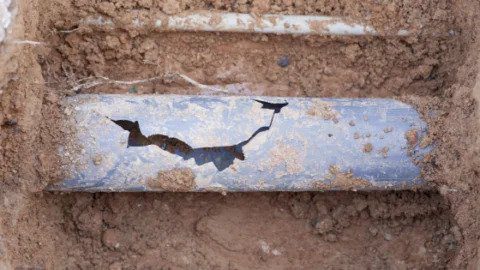
Winterizing Outdoor Plumbing Fixtures in Salt Lake City and Northern Utah
Northern Utah winters hit the valley and the mountains differently. Salt Lake City can sit under cold inversion air for days, while Park City, Heber, and Coalville see deep freezes much earlier in the season. Either way, the time to winterize outdoor plumbing is before the first hard freeze, when water left in outdoor lines can still drain out.
Many Utah homes have a fixture that makes this job easier than most people realize: a stop-and-waste valve. Knowing where yours is and how it works is the single most useful thing you can learn about protecting your outdoor plumbing.
Black Diamond Experts is locally owned and operated, with certified, background-checked plumbers serving homeowners across Northern Utah. Here’s how to winterize your outdoor fixtures, use your stop-and-waste valve, and protect a mountain or vacation home.
How Do You Winterize Outdoor Plumbing in Utah?
To winterize outdoor plumbing in Utah, close the stop-and-waste valve that feeds your outdoor lines, open the outdoor faucets so the lines drain, disconnect every hose, and insulate any exposed pipes. Homes without a stop-and-waste valve can close the indoor shutoff for each spigot instead.
What Is a Stop-and-Waste Valve?
To winterize outdoor plumbing in Utah, close the stop-and-waste valve that feeds your outdoor lines, open the outdoor faucets so the lines drain, disconnect every hose, and insulate any exposed pipes. Homes without a stop-and-waste valve can close the indoor shutoff for each spigot instead.
A stop-and-waste valve is a shutoff valve on the water line that feeds your outdoor faucets or sprinklers. When you close it, it stops the water and opens a small drain port, which lets the water left in the line drain out so it can’t freeze.
You’ll usually find it in a small valve box in the yard near the foundation, or on the line inside the basement. Yard valves are typically buried below the frost line and turned with a long valve key.
How Do You Use a Stop-and-Waste Valve to Winterize?
Using a stop-and-waste valve takes only a few minutes once you’ve found it.
- Find the Valve: Look for a round or rectangular valve box in the yard, often near where the water line enters the house, or check the basement wall closest to your outdoor spigots.
- Close It Completely: Turn the valve fully closed with its handle or a valve key. A partially closed valve won’t open the drain port.
- Open the Outdoor Faucets: Opening each outdoor faucet lets air into the line, so the remaining water can drain through the waste port.
- Leave the Faucets Open: Keep the outdoor faucets open through winter so any leftover water has room to expand.
- Disconnect Every Hose: Remove hoses, splitters, and timers, and store them where they won’t freeze.
If water keeps flowing from an outdoor faucet after the valve is closed, the valve may not be sealing. That’s a sign it needs repair or replacement before winter.
What Are the Signs Your Stop-and-Waste Valve Needs Replacement?
The most common signs are water that keeps running after the valve is closed, a valve that won’t turn, and soggy ground around the valve box. Each one means outdoor lines may not drain properly before a freeze.
- Why Does Water Keep Running After I Close the Valve? A worn seal or damaged valve body can let water slip past even when the handle is fully closed. If the line can’t empty, it can freeze and split.
- What If My Stop-and-Waste Valve Won’t Turn? Older valves can seize from corrosion or mineral buildup. Forcing a stuck valve can break it, so it’s best to have a plumber take a look.
- Why Is the Ground Wet Around My Valve Box? Water pooling around the valve box or a soggy patch nearby can mean the valve or the line connected to it is leaking underground.
- Why Did My Spigot Freeze Even Though I Closed the Valve? If an outdoor faucet froze after you closed the valve, the drain port may be clogged or the valve may not be closing fully. Our plumbers will check the valve, the drain, and the line.
How Should You Winterize a Mountain or Vacation Home?
Winterizing a mountain or vacation home means protecting your plumbing for weeks without anyone there to notice a problem. Homes in Park City, Heber, and other higher-elevation towns face colder temperatures and longer freezes than the valley.
- Keep the Heat On: Never turn the heat off completely in a home you’re leaving for winter. A smart thermostat lets you check and adjust the temperature from your phone while you’re away.
- Shut Off and Drain the Main Water: If the home will sit empty for an extended stretch, shutting off the main water and draining the lines removes the water that could freeze.
- Insulate Vulnerable Pipes: Pipes in crawlspaces, garages, and exterior walls are the first to freeze. Adding insulation to those areas protects them through long cold stretches.
- Set Your Water Heater for an Absence: Many water heaters have a vacation setting that holds the water at a lower temperature while you’re gone.
- Arrange Regular Check-Ins: Have someone walk through the house periodically to look for leaks, cold rooms, or a heating problem before it causes damage.
When Should You Call a Plumber?
Call a plumber if you can’t find your stop-and-waste valve, if it won’t close fully, or if an outdoor faucet or line has already cracked. Our plumbers will locate and test the valve, replace it if needed, and repair any damaged lines before the coldest weather arrives.
Diamond Service Plan members receive an annual plumbing inspection, priority service, and waived regular-hour dispatch fees, which makes fall a good time to have outdoor plumbing checked.
Protect Your Outdoor Plumbing Before the Freeze
A few minutes with your stop-and-waste valve this fall can prevent a cracked line and a wet basement next spring. If anything doesn’t drain the way it should, it’s much easier to fix now than after the ground freezes.
Black Diamond Experts offers upfront pricing, a 100% satisfaction guarantee, and same-day and 24/7 emergency service. Call (385) 446-1019 or schedule online.
We proudly serve Salt Lake City, South Salt Lake, Sandy, Murray, West Jordan, West Valley, Riverton, Herriman, Bountiful, Kaysville, Layton, Clearfield, Ogden, Park City, Heber, Coalville, and communities throughout Northern Utah.